

PFAS-free textile finishes: the future of water and stain repellency
For decades, perfluoroalkyl and polyfluoroalkyl substances (PFAS) have been the standard solution...
For decades, perfluoroalkyl and polyfluoroalkyl substances (PFAS) have been the standard solution to provide textiles with water and stain resistance. They are found in outdoor clothing, uniforms, upholstery and even everyday clothing, and have been highly valued for theirdurabilityandeffectiveness. However, its widespread use has entailed significant environmental and health costs.
What are PFAS and why are they a problem?
The PFAS, known as “forever chemicals,” are synthetic compounds that do not break down easily in nature. They accumulate in aquatic systems, fauna and human organisms, which poses serious environmental and health risks. Studies have linked exposure to PFAS to hormonal disruptions, a weakened immune system, and even certain types of cancer.
This has led to the adoption of strict regulations worldwide:
-
Legislative measures in France:In February 2025, France approved one of the most ambitious regulations against PFAS. The legislation prohibits the manufacture, import, export and sale of cosmetics and textiles with PFAS (except protective equipment for security and emergency professionals) and ski waxes starting in 2026. This ban will be extended to all textiles in 2030.
-
Prohibition in California (2025):The regulations prohibit the sale of textiles treated with PFAS.
-
The European Union is reviewing regulations to phase out PFAS in consumer products, including textiles.
-
Brand and Retail Engagement:Many companies are adopting PFAS-free alternatives as part of their sustainability strategies.
As a result, the textile industry is undergoing a complete transformation, moving towards safer and more ecological water- and stain-repellent finishes. Manufacturers and brands must find alternatives that match the performance of PFAS treatments without compromising environmental safety or human health.
One of the most innovative solutions is PFAS-free water repellents, which offer the same high-performance protection but safer for the environment and consumers.
Understanding PFAS-free textile finishes: how do they work?
Perfluoroalkyl and polyfluoroalkyl substances (PFAS) have been widely used in textiles to provide water, oil and stain repellency, due to their unique chemical properties. However, growing concern about its effects on the environment and health has led to the development of eco-friendly alternatives. Here’s how traditional PFAS-based finishes work and what sustainable options are available today.
Traditional finishes with PFAS: mechanism of action
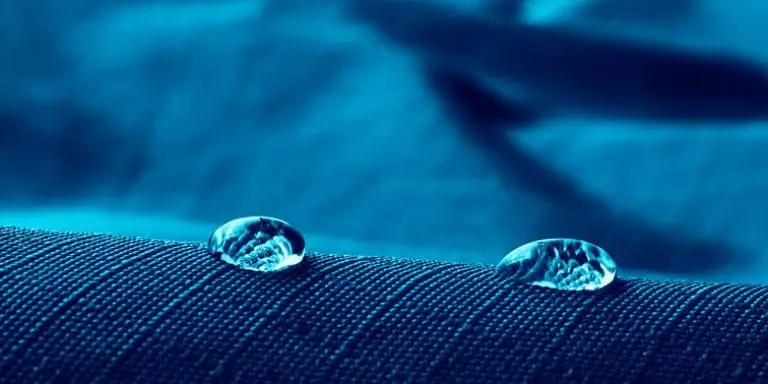
PFAS are synthetic compounds characterized by their strong carbon-fluorine bonds, making them highly resistant to water, oil, and stains. When applied to textiles, these finishes create a low-energy surface that repels liquids, preventing their absorption and making them easier to clean. This hydrophobic and oleophobic behavior is due to the molecular structure of PFAS, which reduces the surface tension of the fabric, causing liquids to bead and slide.
Ecological and sustainable alternatives
In response to the environmental persistence and health risks associated with PFAS, researchers and manufacturers have developed several sustainable alternatives:
-
Silicone-based finishes:Silicone repellents form a flexible, hydrophobic layer on textile fibers, effectively repelling water while maintaining the breathability and softness of the fabric. These finishes are durable and can withstand multiple wash cycles, making them suitable for various applications such as outdoor clothing and upholstery.
-
Coatings of biological origin:Derived from natural materials such as vegetable waxes, fatty acids and biopolymers, bio-based coatings offer an eco-friendly alternative for water repellency. For example, natural waxes and fatty acids can be applied to fabrics to create hydrophobic surfaces without resorting to synthetic chemicals. These coatings are biodegradable and reduce dependence on substances derived from fossil fuels.
-
Plasma treatments:Plasma technology uses ionized gases to modify the surface properties of textiles at a molecular level. By exposing fabrics to plasma with siloxanes, a silicone-like water-repellent layer is deposited uniformly on the fibers. This method is environmentally friendly as it eliminates the need for chemical solvents and produces durable water-repellent textiles.
PFAS-Free Stain Protection: A Different Approach
While PFAS-based finishes have been used for both water repellency and stain resistance, some PFAS-free solutions focus on making fabrics easier to clean, rather than repelling liquids entirely.
Staincare+ from ADRASA: a PFAS-free technology for stain removal
-
Staincare+ is not a water repellent, but a textile treatment designed to facilitate stain removal.
-
Creates an invisible and permanent barrier that prevents stains from penetrating deeply into the fibers of the fabric.
-
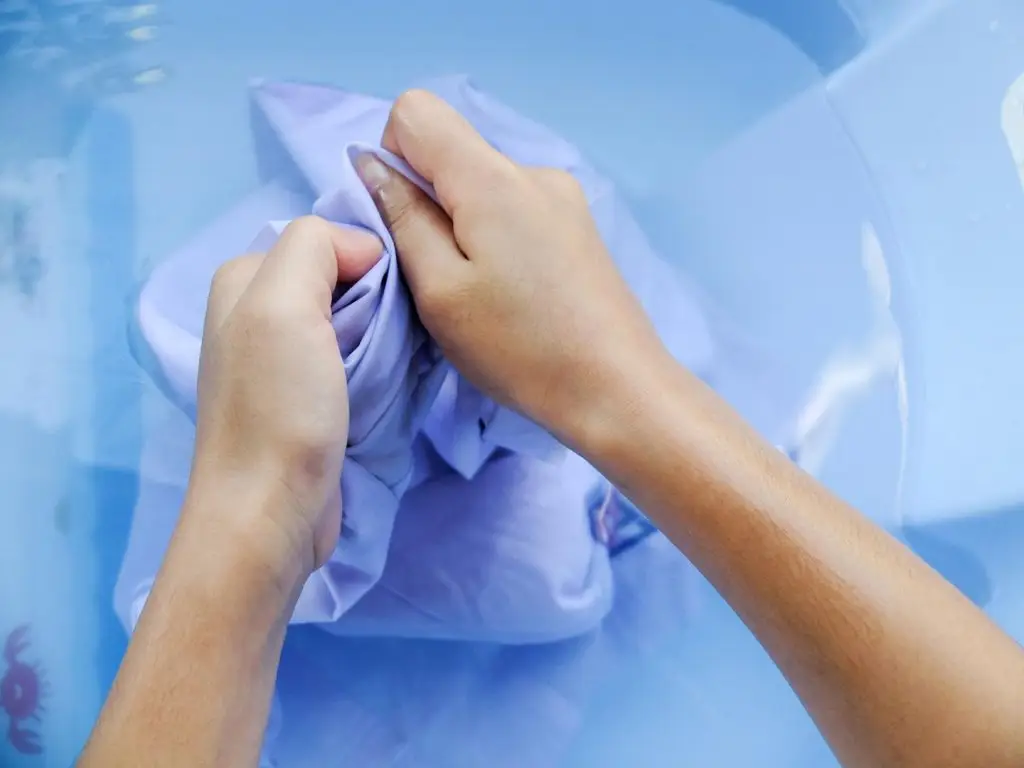
During washing, it improves stain release, allowing more effective cleaning with milder detergents and at lower temperatures.
-
This reduces the need for aggressive wash cycles, prolonging the life of the fabric and minimizing environmental impact.
Unlike PFAS-free water-repellent finishes, which prevent liquids from absorbing into textiles, Staincare+ modifies the way stains interact with the fabric, ensuring they can be removed more efficiently during washing.
The Environmental Benefits of PFAS-Free Alternatives
The phase-out of PFAS-based textile finishes is not only a regulatory necessity, but a key step toward environmental sustainability. PFAS-free alternatives eliminate the risks associated with these persistent chemicals, while maintaining high-performance textile protection.
1. Less water pollution
PFAS compounds do not break down easily and often contaminate water sources. Studies have detected PFAS in drinking water, rivers and even rain in various parts of the world.
-
Opting for PFAS-free textile coatings prevents these contaminants from entering wastewater during textile production and garment washing.
-
Many new PFAS-free finishes use biodegradable ingredients, further reducing long-term environmental impact.
2. Greater biodegradability
Traditional finishes with PFAS remain in the environment indefinitely, and some can take thousands of years to decompose.
-
Some bio-based alternatives, such as vegetable wax coatings, break down naturally without leaving harmful residues.
-
Advances in polymer-based stain release technologies are helping to extend the life of textiles without the need for harmful coatings.
3. Greater safety for workers and consumers
Textile factory workers and consumers are directly exposed to PFAS-treated fabrics through contact, wear, and washing.
-
Studies have linked long-term exposure to PFAS with hormonal disruptions, immune problems, and health risks.
-
PFAS-free alternatives eliminate these risks, ensuring that textiles are safe throughout their entire life cycle.
4. Compliance with global sustainability standards
PFAS-free textile finishes comply with the main environmental certifications, guaranteeing compliance with stricter safety and sustainability regulations:
-
ZDHC (Zero Discharge of Hazardous Chemicals) Level 3– The highest standard of chemical safety in the textile industry.
-
GOTS (Global Organic Textile Standard) 6.0– Ensures sustainable textile processing and ethical production.
-
OEKO-TEX ECO Passport– Certifies that the chemicals used are safe for human health and the environment.
Many PFAS-free textile solutions are designed to meet these rigorous sustainability standards, making them the preferred option for brands looking to reduce their environmental impact.
The future of PFAS-free textile finishes
Industry Trends: Adoption of PFAS-Free Alternatives
The textile industry is undergoing a significant transformation, as more and more brands and manufacturers are adopting PFAS-free alternatives:
-
Consumer demand: growing awareness on the environmental and health effects of PFAS has led consumers to look for products without these chemical compounds.
-
Technological advances: Innovations in textile chemistry have allowed the development of PFAS-free finishes that retain desired properties, such as water and stain repellency.
-
Brand commitment: Large companies are removing PFAS from their products. For example, outdoor clothing brands have announced their transition towards more sustainable alternatives.
Regulatory Landscape: Global PFAS Bans and Industry Response
As we mentioned above, governments around the world are implementing regulations to restrict or ban PFAS in the textile industry:
-
European Union:The EU is considering imposing comprehensive restrictions on PFAS in various industries, including textiles, with the aim of protecting human health and the environment.
-
USA:States such as California and New York have passed bans on the sale of clothing containing PFAS, effective January 1, 2025.
-
France:It has implemented a ban on PFAS affecting the fashion industry, prompting many companies to look for alternative solutions.
These regulations are driving innovation in the industry and accelerating the adoption of safer and more sustainable alternatives.
ADRASA’s role in sustainable textile chemistry
At ADRASA, we are committed to leading the transition to a PFAS-free future, developing high-performance and sustainable textile solutions.
-
Staincare+:Our PFAS-free textile finish improves stain removal during washing, manages moisture, prevents the redeposition of dirt and maintains the softness of fabrics.
-
Commitment to sustainability:We are dedicated to creating products that meet the most demanding environmental standards and respond to market needs.
At ADRASA, we help brands and manufacturers take the step towards a PFAS-free textile future, prioritizing performance, sustainability and safety for consumers and the planet.
Conclusion
The transition to PFAS-free textile chemistry is no longer an option, but an urgent need driven by new regulations, environmental responsibility and consumer expectations. As the industry phases out PFAS-based finishes, demand for high-performance, sustainable alternatives continues to grow.
At ADRASA, we are committed to leading this transformation through innovative and ecological textile solutions. Our PFAS-free stain release technology, Staincare+, proves that sustainability and performance can go hand in hand, keeping textiles cleaner for longer and reducing environmental impact.
For textile brands and manufacturers seeking to stay ahead of regulations and commit to sustainable innovation, ADRASA offers reliable, high-performance solutions aligned with the future of responsible textile finishing.
Find out more about our commitment to sustainable textile chemistry in the ADRASA sustainability page.