

Microbial dyeing: biological colors for a sustainable textile future
The textile industry is one of the most polluting in the world, especially when it comes to the...
The textile industry is one of the most polluting in the world, especially when it comes to the use of dyes. Traditional dyeing processes consume large volumes of water and toxic chemicals, generating an enormous load of pollution in rivers and ecosystems. It is estimated that up to 20% of global industrial water pollution comes from the dyeing and treatment of textiles.
Faced with this challenge, an innovative alternative has emerged: microbial tincture. Thanks to advances in biotechnology, scientists are developing microorganisms capable of producing natural pigments and dyeing tissues through biological processes. This technique not only reduces water pollution, but also energy consumption and carbon footprint.
The problem of traditional dyes
Conventional textile dyeing is one of the most polluting processes in the entire fashion industry. It is estimated that more than 5 billion liters of water are used each year just to dye fabric, and much of this water ends up contaminated with synthetic dyes, heavy metals and toxic chemicals.
Furthermore, according to data from the World Resources Institute, the dyeing and finishing of textiles generates up to 20% of industrial water pollution worldwide.global level.
Many of these dyes are not biodegradable and remain in aquatic ecosystems, affecting biodiversity and human health.
The impact is not only water-related. The dyeing process requires high temperatures, multiple rinses and intensive chemical treatments, which involves high energy consumption and significant CO₂ emissions. Furthermore, the waste generated is often not managed safely, especially in countries without strict environmental regulation.
How does microbial dyeing work?
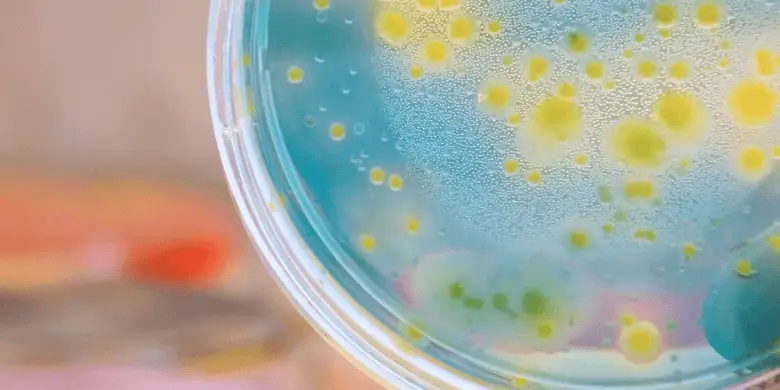
Microbial dyeing uses living organisms, such as bacteria, yeast or genetically modified fungi, that produce natural pigments during fermentation processes. These microorganisms are grown in controlled conditions and fed with carbon sources such as sugar or organic waste, generating colors such as indigo, violet, pink or yellow naturally.
One of the most common mechanisms is the insertion of genes responsible for the production of pigments (such as indigotin or carotenoids) into safe microbes, such asEscherichia colior some strains of Saccharomyces cerevisiae. These microbes, once optimized, can manufacture large quantities of pigments in bioreactors, in processes similar to those for the production of beer or antibiotics.
Once the pigment is produced, the dye is extracted or applied directly to the fabric during the fermentation process, allowing for more uniform dyeing, with less water, lower temperature and without the need for toxic chemicals. Furthermore, since it is a closed system, it is easier to recycle water and control waste.
This approach represents a radical change from traditional methods, eliminating many of the contaminating steps of industrial dyeing.
Environmental benefits
One of the biggest benefits of microbial dyeing is its ability to dramatically reduce water use and prevent the release of contaminants into the environment. Unlike traditional synthetic dyes, which require large amounts of water to set color and rinse away residual chemicals, microbial dyeing can be performed in closed systems, where water is recycled and spillage is minimized.
The process also eliminates the use of metallic mordants and non-biodegradable dyes that often end up in rivers and soils, damaging biodiversity. HeWorld Bankestimates that, as we have seen before, the textile industry generates approximately 20% of industrial pollutionof water worldwide. Microbial dyeing, by using gentle biological processes without toxic compounds, offers a safe and regenerative alternative.
Additionally, by operating at lower temperatures and with fewer processing steps, this method reduces energy consumption. According to several life cycle studies (LCA), this technology can mean a significant reduction in the carbon footprint associated with the dyeing phase, especially if it is powered by renewable sources and organic waste.
Challenges and future potential
Although microbial dyeing offers a promising approach, it still faces significant challenges in its large-scale application. One of the main obstacles is scalability: producing enough biological pigments to meet industrial needs requires specialized facilities, efficient bioreactors and rigorous process control.
Furthermore, the color range available with microorganisms remains limited compared to traditional synthetic dyes. Although intense colors such as indigo and various earth tones have already been achieved, the development of a complete palette still requires more research in synthetic biology and strain selection.
Adoption by the textile industry is also progressing slowly, partly due to lack of technical knowledge, possible modifications necessary to existing processes and the initial cost of investing in new technologies.
However, the potential is enormous. With more investment in R&D, it is hoped that scientists will be able to genetically modify microbes to expand their pigment production and make the process faster, more versatile and even more efficient. There are also opportunities for hybrid combinations, where microbial dyeing is integrated with other sustainable innovations such as biodegradable fibers orPFAS-free finishes.
As regulatory pressure and consumer demand for environmentally friendly solutions increase, these technologies are likely to evolve from the pilot phase into industrial production, transforming the way we color our garments.
Conclusion
Microbial dyeing represents a transformative convergence between chemistry, biotechnology and sustainability. Al reemplazar los tintes sintéticos tradicionales por pigmentos producidos de forma biológica, esta tecnología ofrece una alternativa más limpia, eficiente y respetuosa con el medio ambiente.
In a context where the textile industry is responsible for a significant part of water pollution and resource consumption, these bio-based solutions lead the way towards a more circular and responsible future. Furthermore, by taking advantage of natural fermentation processes, both energy use and carbon emissions are reduced, helping to mitigate the environmental impact of fashion.
This type of innovation demonstrates how applied chemistry can be part of the solution, not just the problem. At ADRASA, we carefully follow the advances that transform the industry, with the conviction that sustainability and science must go hand in hand to build a new generation of textiles.
Do you work with dyes or textile finishes? Are you exploring more responsible processes? Write to us and we share ideas.
Contact the ADRASA team:
https://www.adrasa.name/contacto-confecci%C3%B3n